
Stormwater Pipe Maintenance Before and After Heavy Rain
Heavy rain puts stormwater infrastructure to work quickly. Sediment, debris, damaged joints, and restricted culverts can complicate that work, especially in locations with a history of drainage problems.
For public works teams and stormwater contractors, preparation starts with knowing which assets need attention and having equipment available to inspect them. A useful maintenance program also includes follow-up after significant weather events.
Prioritize the locations with the greatest consequences
Begin with an inventory of pipes, culverts, catch basins, and related structures. Use inspection records, maintenance history, and reported drainage problems to identify priorities.
Locations to review may include:
- Road crossings with recurring ponding.
- Culverts that collect debris after storms.
- Pipes with known structural defects.
- Outlets with visible erosion.
- Drainage assets serving critical facilities or access routes.
Risk depends on both the likelihood of a problem and what happens if the asset stops functioning. A recurring blockage beneath a busy road may deserve attention sooner than a similar condition in a less consequential location.
Inspect beyond the opening
A clear inlet does not establish the condition of the entire pipe. Internal inspections can help crews identify sediment deposits, joint issues, obstructions, and visible deterioration farther along the system.
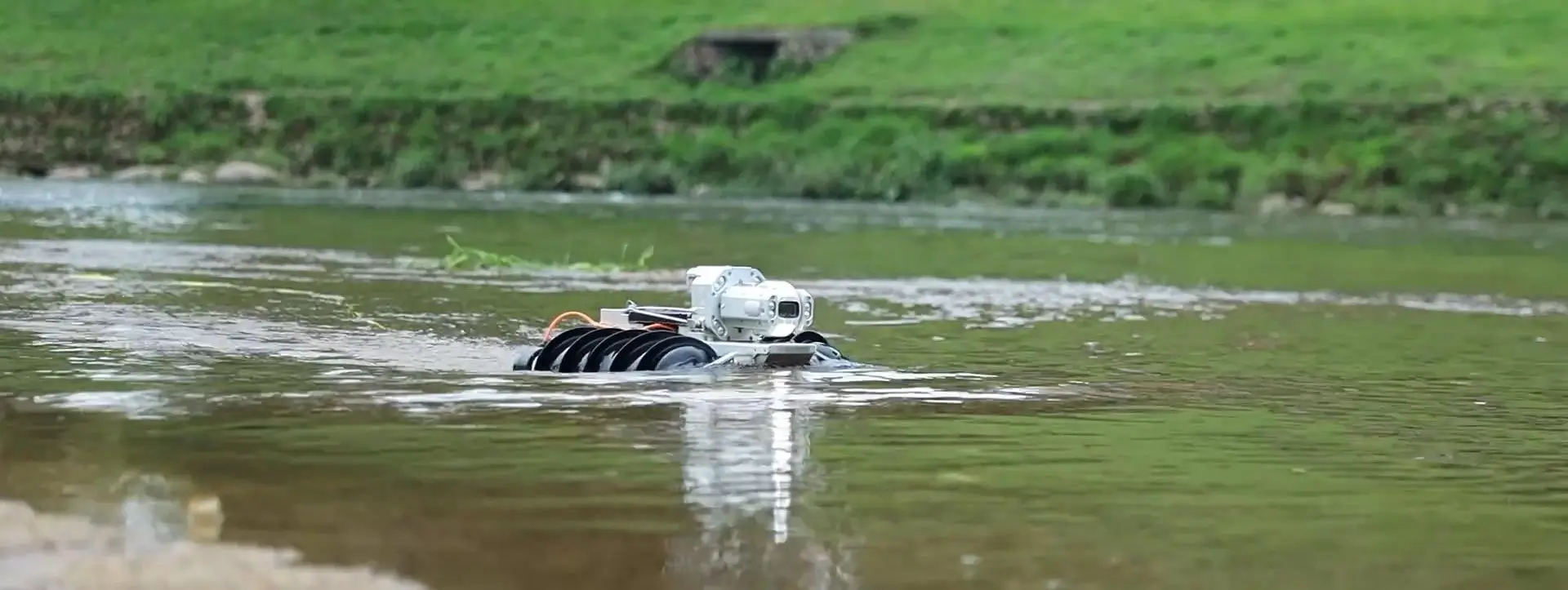
Equipment selection should reflect the conditions. Robotic crawlers can document accessible pipe interiors, while manhole cameras support assessments from above ground. High water may call for a submersible camera and sonar system.
Record inspection limitations as well as findings. An area hidden by sediment or poor visibility may need additional work before its condition can be assessed.
Match cleaning equipment to the material
Cleaning requirements vary with the type and amount of debris, pipe condition, access, and available equipment.
Jetter nozzle selection should account for pump output, hose configuration, pipe diameter, and the cleaning objective. Heavy sediment in suitable applications may require a different approach, such as remotely operated dredging equipment.
Infratech offers jetter nozzles and HydroBeast equipment to support different cleaning applications. An application review helps determine which configuration is appropriate for the site.
Where practical, inspect after cleaning to document the result and evaluate surfaces that were previously obscured.
Recheck after major storms
Heavy rain can introduce new debris and expose or worsen erosion around drainage structures. FHWA recommends checking pipe and culvert ends annually or after major storms, including looking for debris that diverts flow and areas of erosion.
Follow-up records should capture what changed, what work was completed, and which locations need further investigation. Repeated findings can help teams adjust maintenance schedules and identify assets that deserve engineering review.
Turn inspection findings into the next action
An effective program gives each inspected asset a clear next step: monitor, clean, investigate, evaluate for rehabilitation, or escalate for further assessment.
Cleaning can address an obstruction, while structural deterioration may require a separate repair plan. Keeping those findings connected helps teams direct their budgets and crews where they are most useful.
Infratech Solutions supports stormwater teams with inspection, cleaning, and trenchless rehabilitation equipment, backed by demonstrations, training, and technical guidance.
Preparing your stormwater maintenance program?
Tell our team about your pipe sizes, water levels, and recurring challenges to discuss equipment options.